India is a land of extraordinary biodiversity. With over 100 national parks spread across its vast terrain, the country offers some of the most remarkable wildlife experiences on Earth. Whether you’re a seasoned wildlife photographer, an adventure seeker, or a nature lover planning your next trip, India’s national parks promise unforgettable encounters with majestic animals, lush forests, and pristine landscapes.
In this guide, we cover the top 10 national parks to visit in India — complete with what to see, best time to visit, and insider travel tips. Let’s dive in!
1. Jim Corbett National Park, Uttarakhand

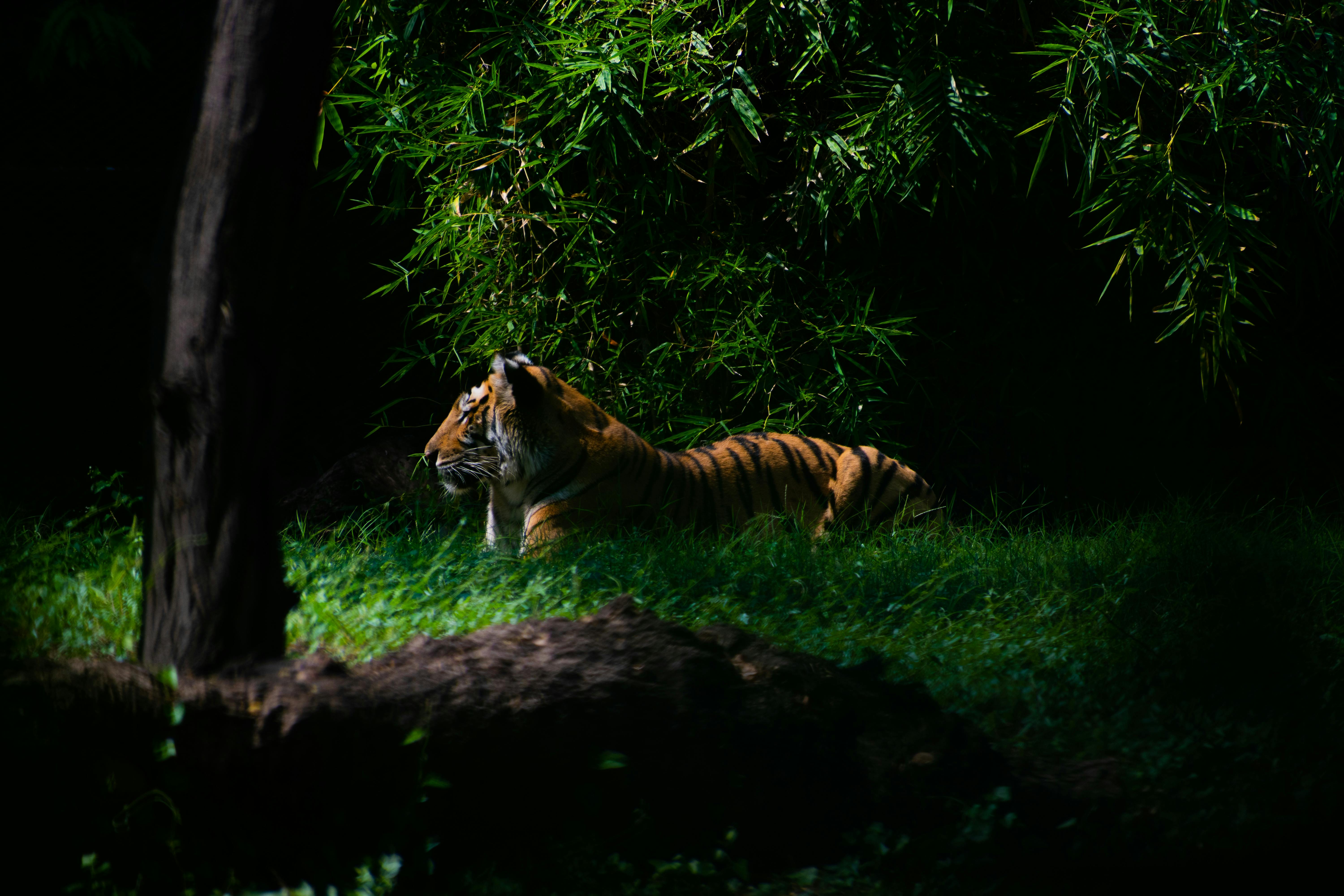
Jim Corbett National Park holds the distinction of being India’s oldest national park, established in 1936. Located in the Nainital district of Uttarakhand, it sprawls across 520 sq km of Himalayan foothills. The park was one of the first to come under Project Tiger in 1973 and remains one of the best places in Asia to spot the Royal Bengal Tiger in its natural habitat.
- 🐯 Key Wildlife: Bengal Tiger, Asian Elephant, Leopard, Gharial, King Cobra
- 📅 Best Time to Visit: November to June
- 📍 Location: Nainital District, Uttarakhand
- 🌿 Zone Highlights: Dhikala Zone for the best tiger sightings
“Corbett is not just a park — it’s a pilgrimage for every tiger lover.”
2. Ranthambore National Park, Rajasthan
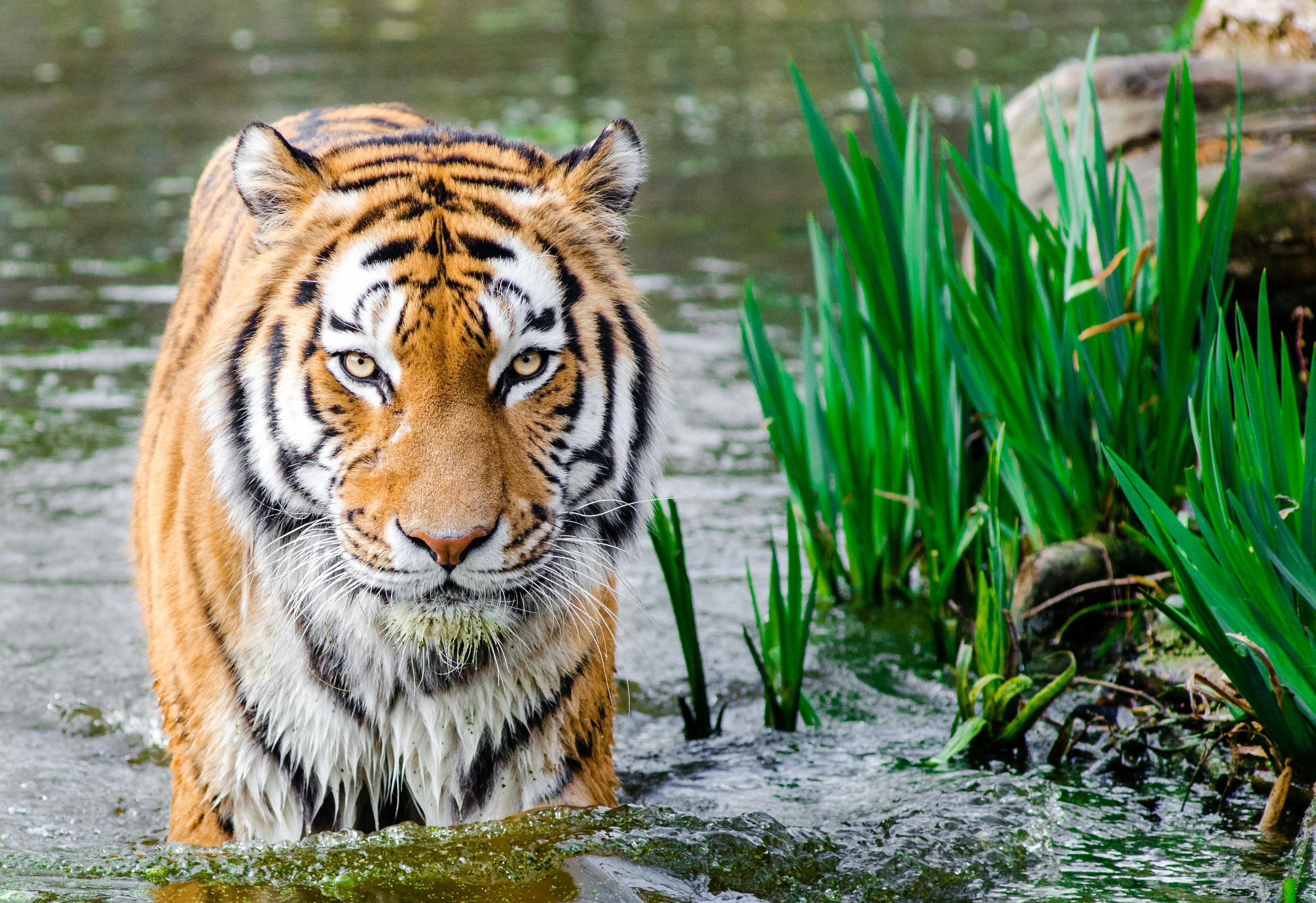
Set against the dramatic backdrop of ancient Rajput ruins, Ranthambore National Park is one of India’s most photographed wildlife destinations. The park’s tigers are famously bold and frequently spotted near lakes and open grasslands — making it a paradise for photographers. The iconic Ranthambore Fort, a UNESCO World Heritage Site, looms over the park adding a magical historical dimension to every safari.
- 🐯 Key Wildlife: Bengal Tiger, Sloth Bear, Leopard, Crocodile, Indian Python
- 📅 Best Time to Visit: October to June
- 📍 Location: Sawai Madhopur, Rajasthan
- 📸 Famous For: Daytime tiger sightings near Raj Bagh and Padam Lakes
3. Kaziranga National Park, Assam

A UNESCO World Heritage Site, Kaziranga National Park in Assam is home to two-thirds of the world’s great one-horned rhinoceros population. The tall elephant grass, swamps, and dense forests along the Brahmaputra river make it one of the finest wildlife habitats in all of Asia. It also boasts the highest density of tigers among protected areas worldwide.
- 🦏 Key Wildlife: One-Horned Rhinoceros, Bengal Tiger, Asian Elephant, Wild Buffalo, Swamp Deer
- 📅 Best Time to Visit: November to April
- 📍 Location: Golaghat & Nagaon Districts, Assam
- 🏆 UNESCO Status: World Heritage Site since 1985
4. Sundarbans National Park, West Bengal
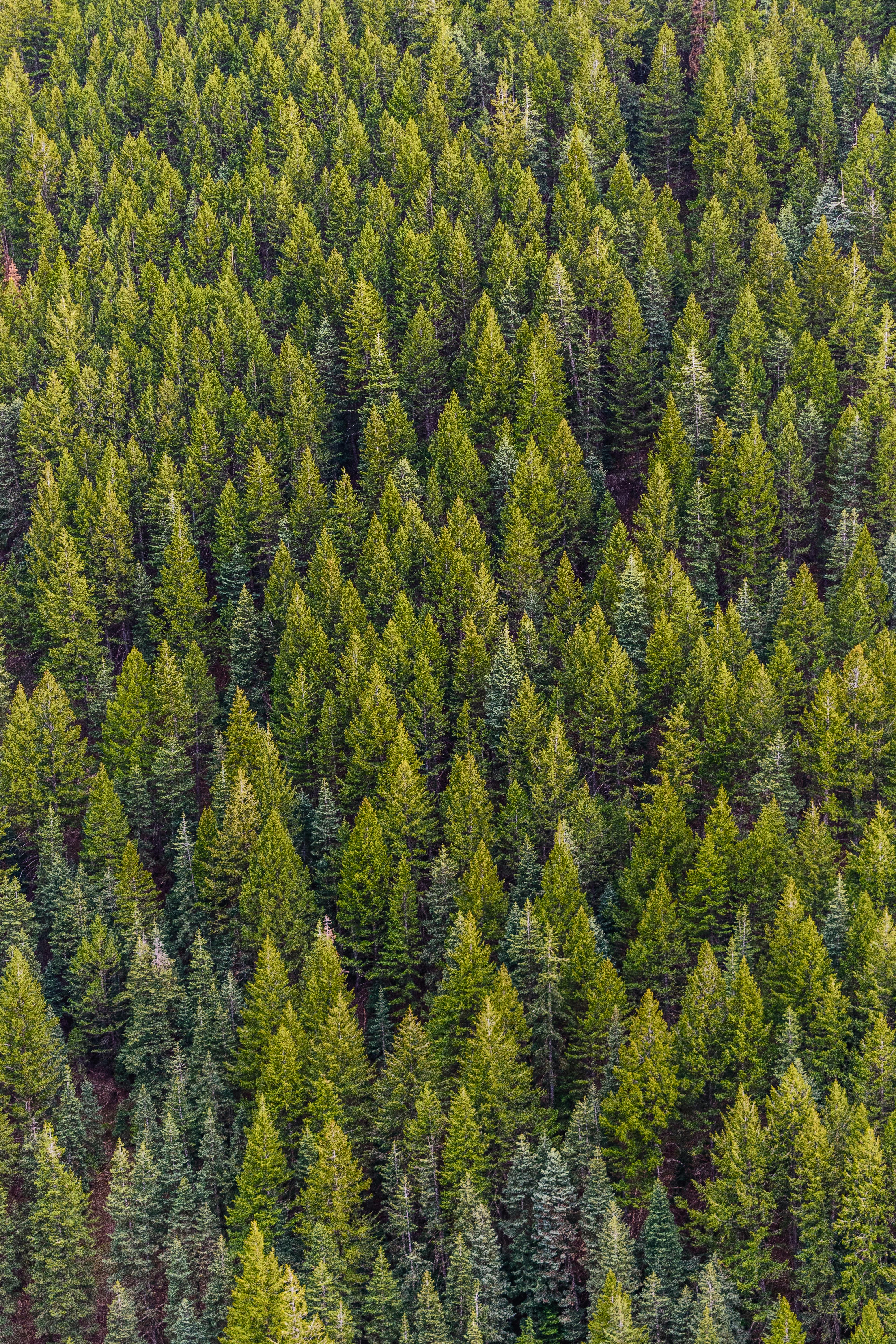
The Sundarbans is the world’s largest mangrove forest, straddling the India-Bangladesh border. It’s the only tiger reserve in the world where tigers swim in saltwater! A boat safari through the labyrinthine waterways creates a sense of adventure unlike anywhere else in India. The park is also a UNESCO World Heritage Site and a Ramsar wetland of international importance.
- 🐯 Key Wildlife: Royal Bengal Tiger, Irrawaddy Dolphin, Estuarine Crocodile, Olive Ridley Sea Turtle
- 📅 Best Time to Visit: September to March
- 📍 Location: South 24 Parganas, West Bengal
- 🚤 Safari Type: Boat safaris only
5. Bandhavgarh National Park, Madhya Pradesh
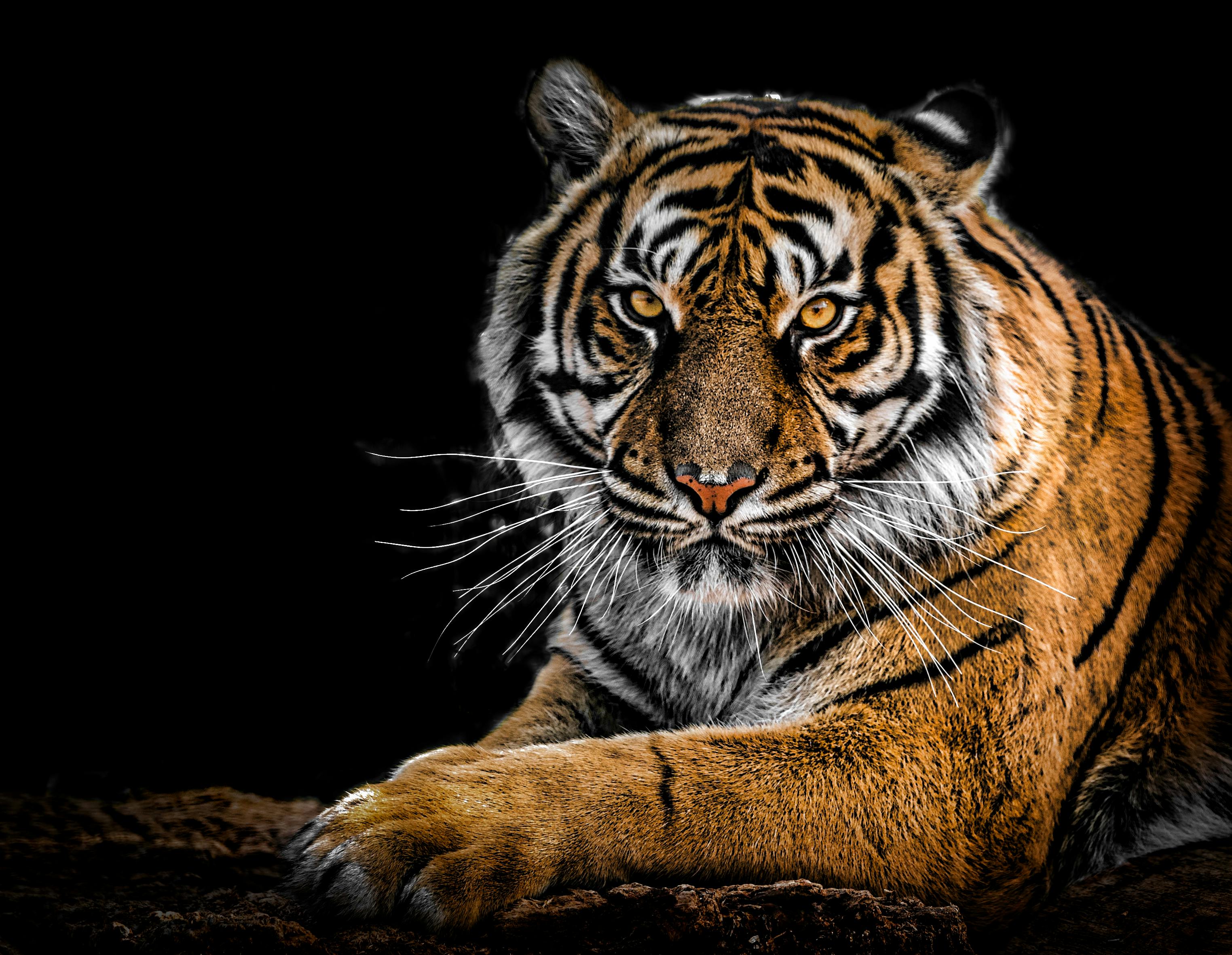
Bandhavgarh has the highest density of Bengal tigers in India — making it a bucket-list destination for tiger spotters. The ancient Bandhavgarh Fort, believed to be over 2,000 years old, sits at the centre of the park and adds a mythological charm to the experience. The Tala Zone is the most popular and productive for wildlife sightings.
- 🐯 Key Wildlife: Bengal Tiger, Leopard, Gaur, Nilgai, Sloth Bear
- 📅 Best Time to Visit: October to June
- 📍 Location: Umaria District, Madhya Pradesh
- ⭐ Tiger Density: Highest in India
6. Kanha National Park, Madhya Pradesh
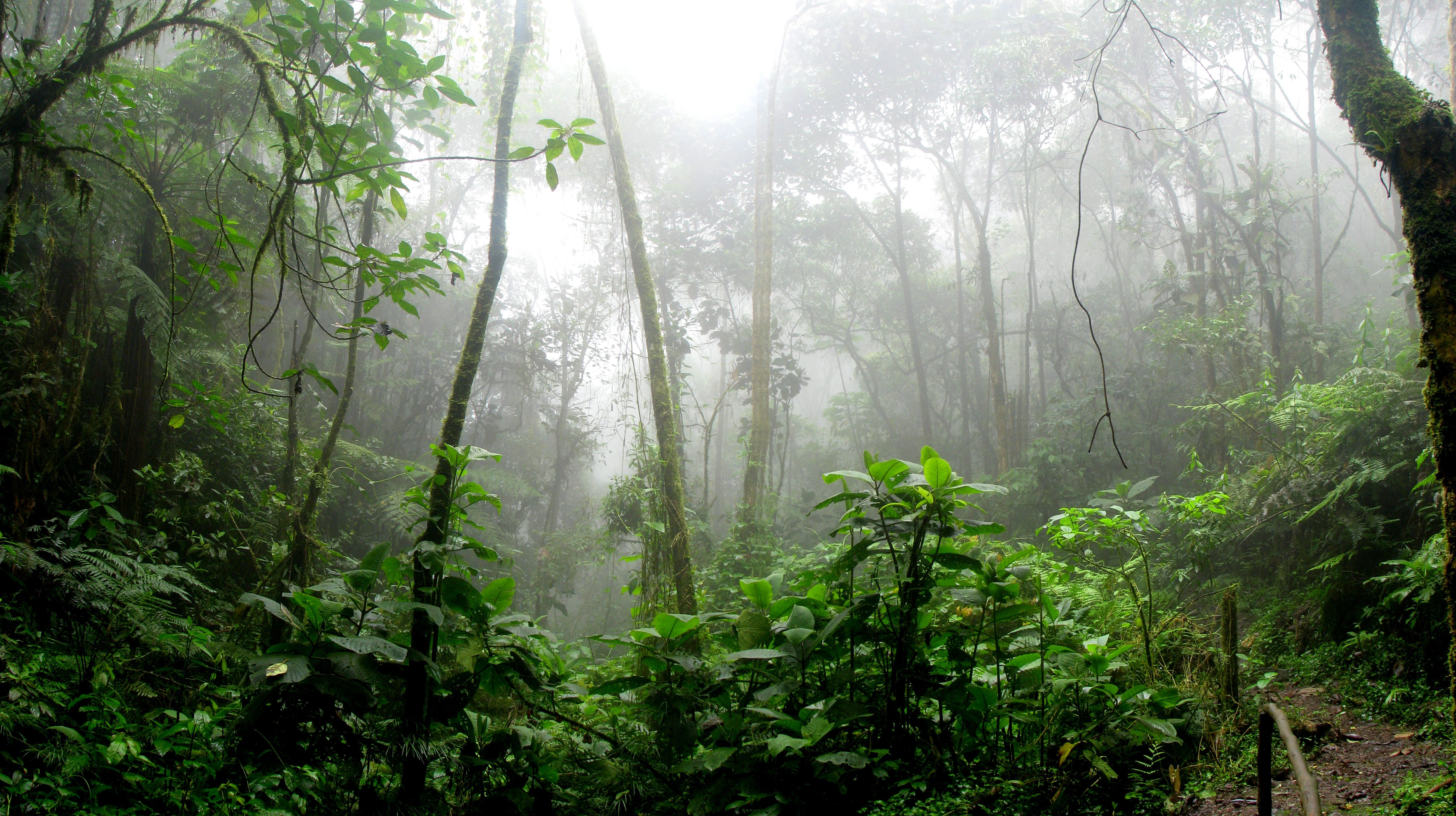
Often called the “Tiger Land of India,” Kanha National Park was the inspiration for Rudyard Kipling’s The Jungle Book. It is one of the best-managed parks in Asia and played a crucial role in saving the Barasingha (Swamp Deer) from extinction. The lush sal and bamboo forests, rolling meadows, and clean air make Kanha a favourite for repeat visitors.
- 🦌 Key Wildlife: Bengal Tiger, Barasingha, Leopard, Wild Dog, Jackal
- 📅 Best Time to Visit: October to June
- 📍 Location: Mandla & Balaghat Districts, Madhya Pradesh
- 📖 Famous For: Inspiration for The Jungle Book by Rudyard Kipling
7. Periyar National Park, Kerala
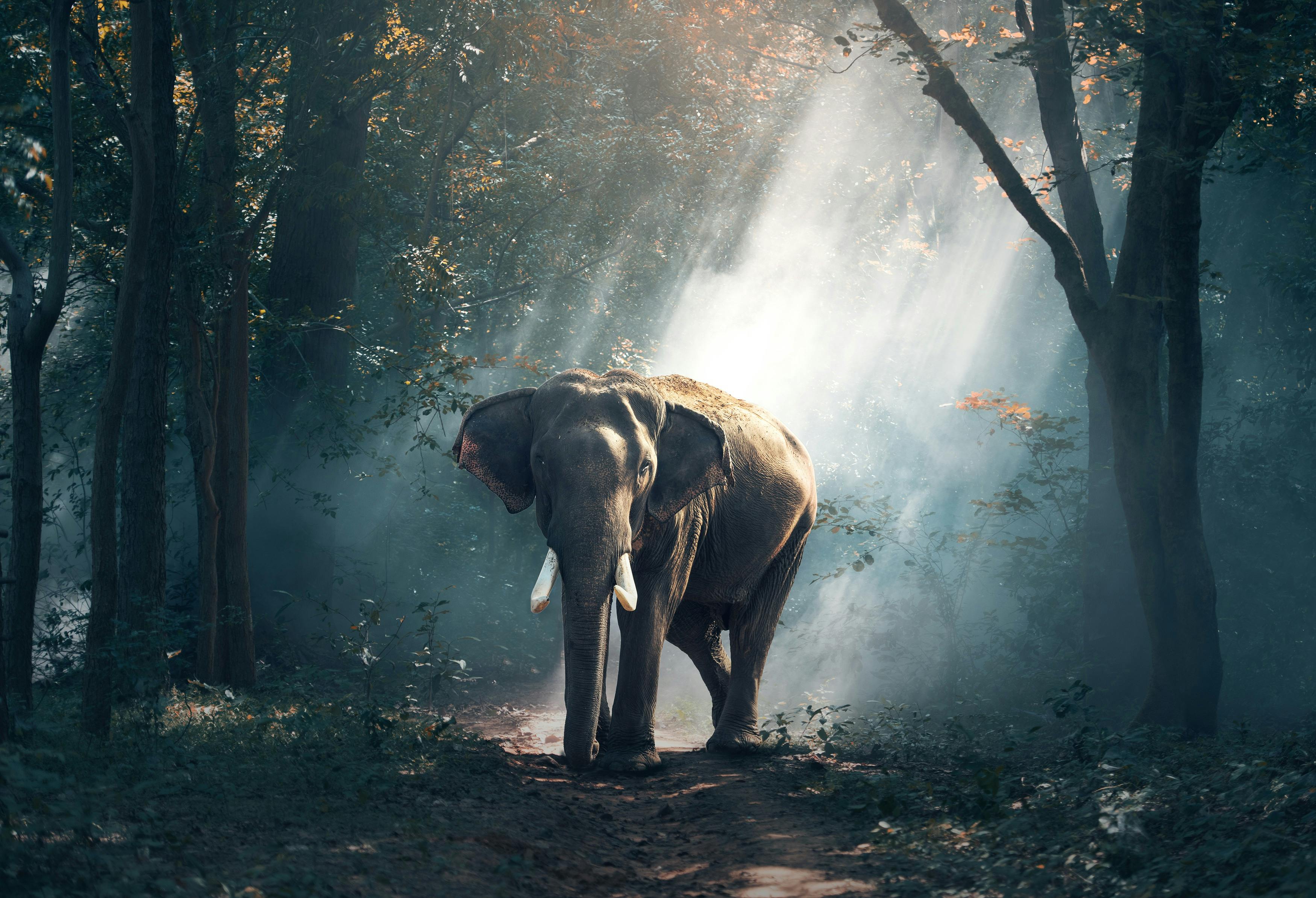
Set in the lush green hills of Kerala’s Cardamom Hills, Periyar National Park is one of South India’s most popular wildlife destinations. The perennial Periyar Lake at its heart makes for stunning boat rides where you can spot elephants bathing along the banks. The park is a certified Tiger Reserve and Elephant Reserve and is surrounded by spice plantations.
- 🐘 Key Wildlife: Asian Elephant, Bengal Tiger, Nilgiri Langur, Lion-tailed Macaque, Gaur
- 📅 Best Time to Visit: October to June
- 📍 Location: Thekkady, Idukki District, Kerala
- 🚤 Safari Type: Boat rides on Periyar Lake + Jeep safaris
8. Gir National Park, Gujarat
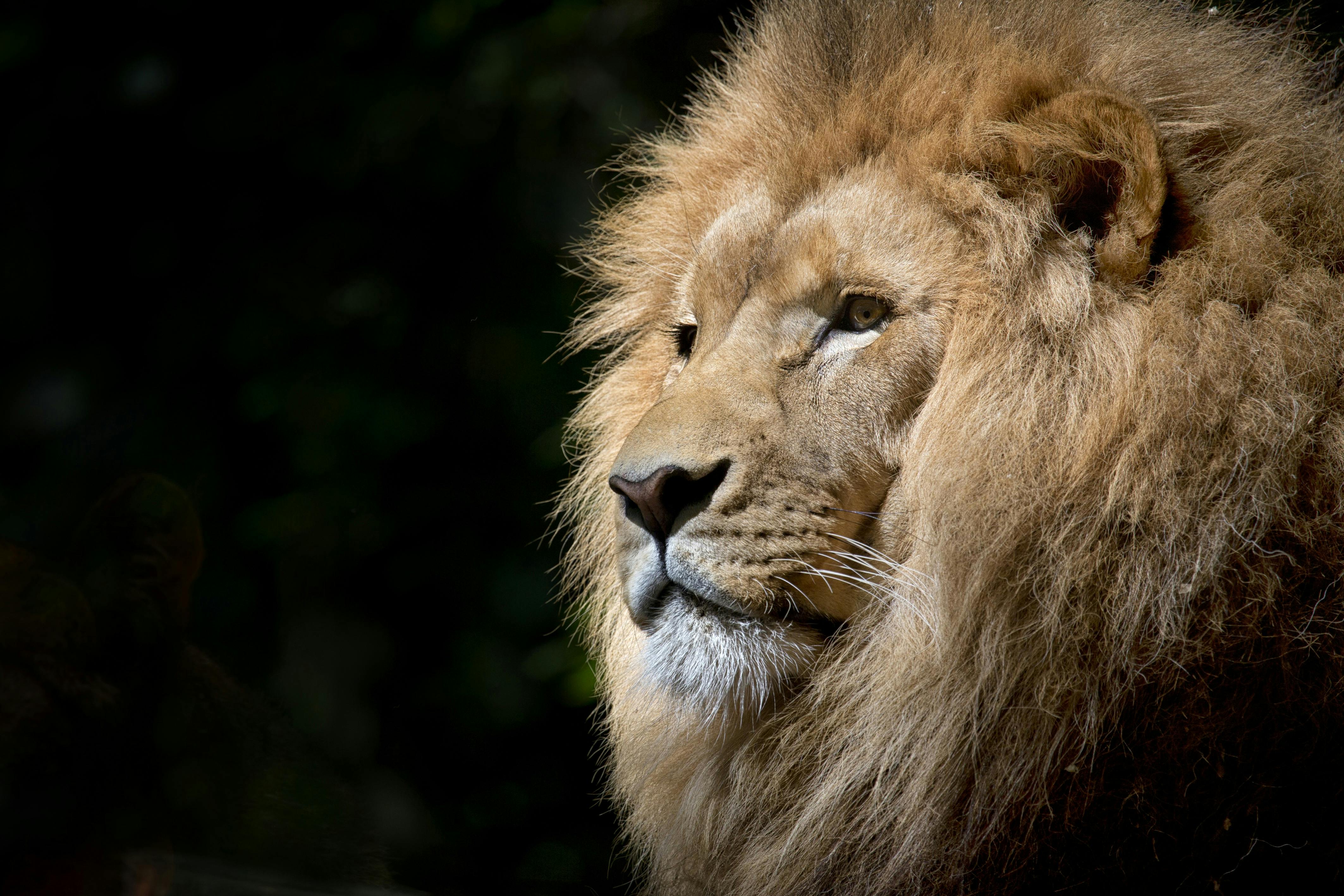
Gir National Park in Gujarat is the last remaining natural habitat of the Asiatic Lion in the world. This makes it an absolutely unique and unmissable destination. The park covers over 1,400 sq km and has seen the lion population grow from just 20 in 1901 to over 600 today — a remarkable conservation success story.
- 🦁 Key Wildlife: Asiatic Lion, Leopard, Jungle Cat, Hyena, Marsh Crocodile
- 📅 Best Time to Visit: December to March
- 📍 Location: Junagadh District, Gujarat
- 🌍 Unique Fact: Only place on Earth to see Asiatic Lions in the wild
9. Valley of Flowers National Park, Uttarakhand
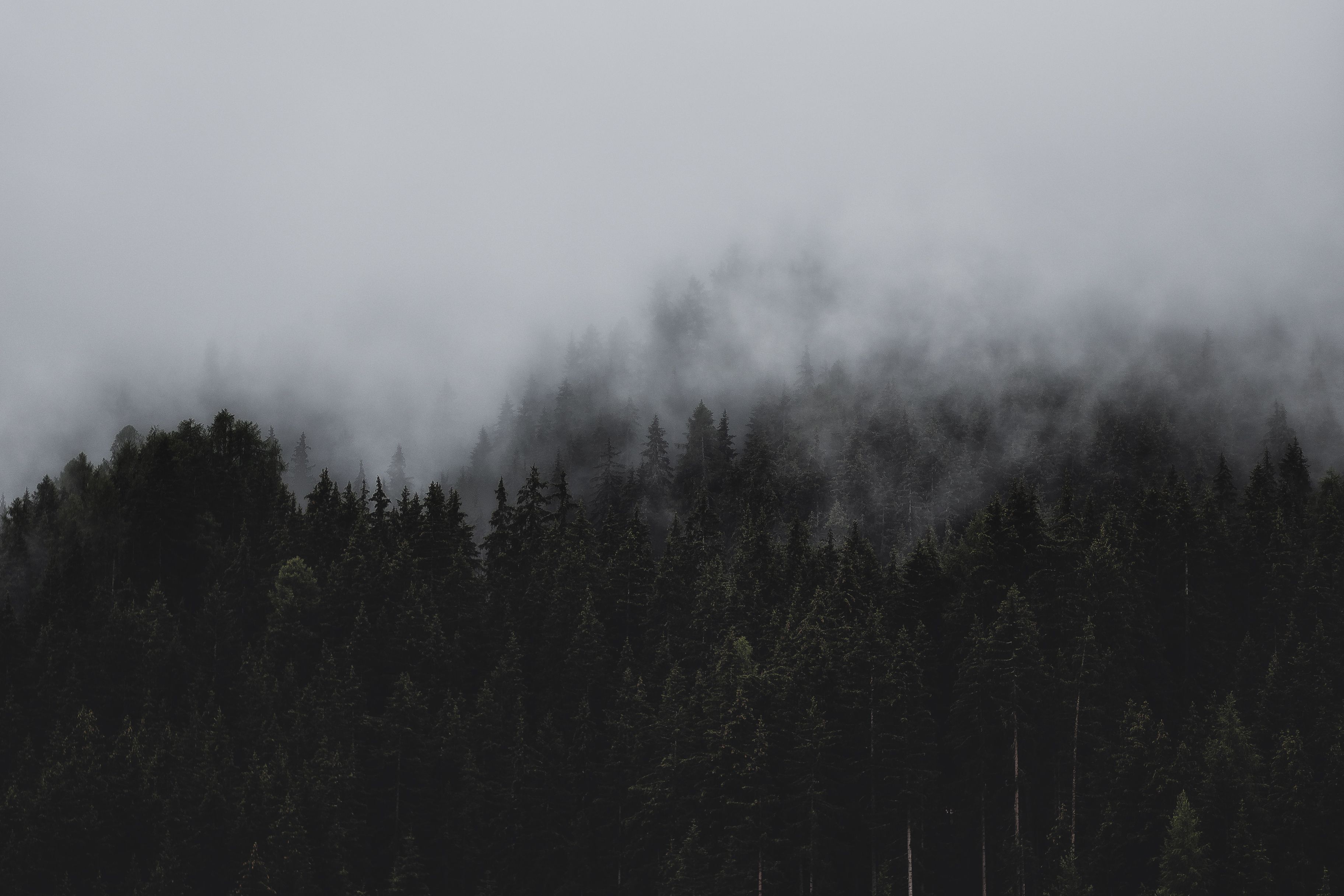
Unlike the tiger-centric parks, the Valley of Flowers is a botanical paradise — a UNESCO World Heritage Site famous for its sweeping alpine meadows blanketed with wild Himalayan flowers. Located at an altitude of 3,658 metres, it’s accessible only on foot, making the trek part of the adventure. Best visited during the monsoon bloom from July to September.
- 🌸 Key Wildlife: Snow Leopard, Himalayan Black Bear, Blue Sheep, Monal Pheasant
- 📅 Best Time to Visit: July to September (peak bloom)
- 📍 Location: Chamoli District, Uttarakhand
- 🥾 Access: Only by trekking from Govindghat
10. Nagarhole National Park, Karnataka
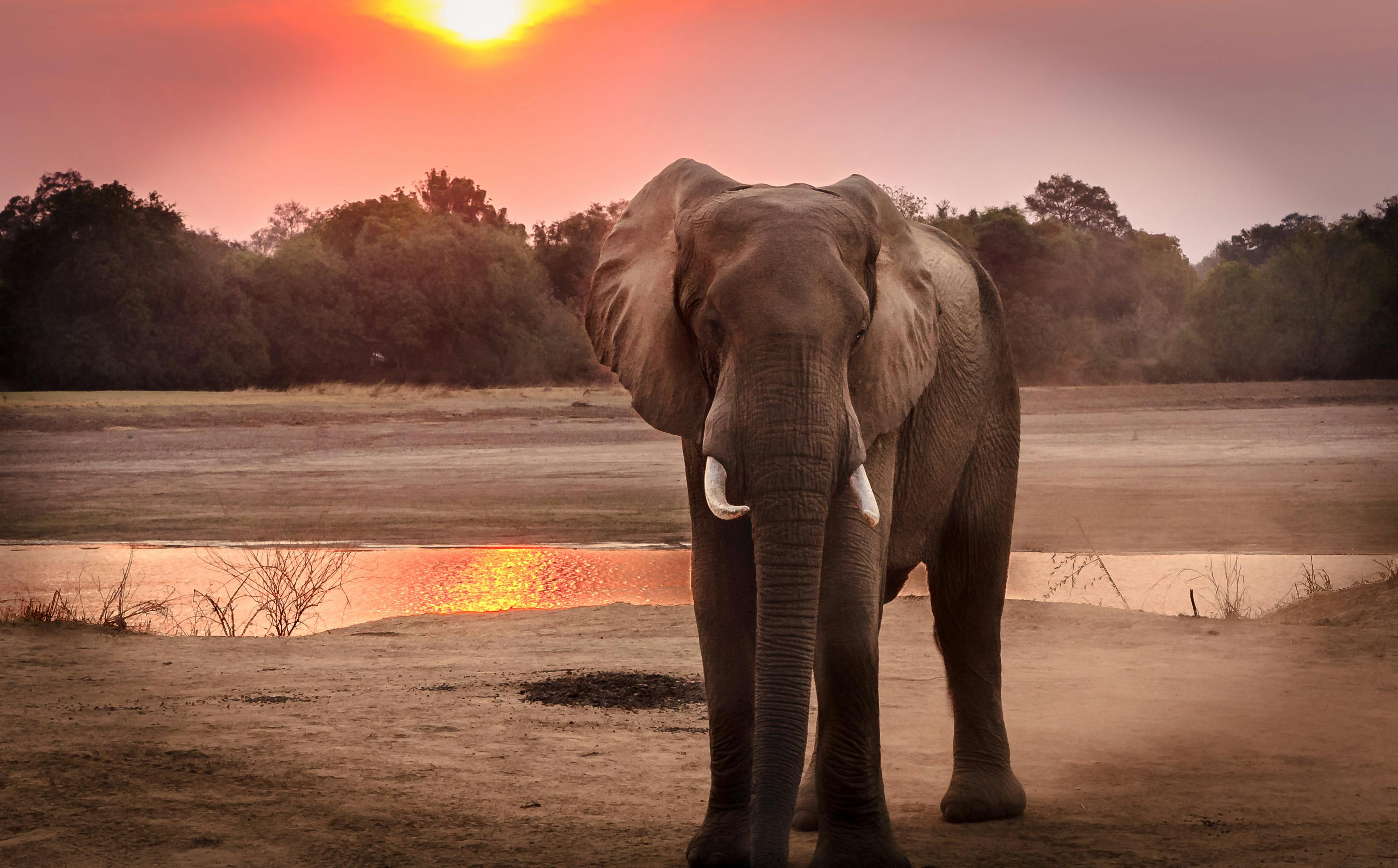
Part of the Nilgiri Biosphere Reserve, Nagarhole (also known as Rajiv Gandhi National Park) is one of the finest wildlife sanctuaries in southern India. The park is renowned for its large elephant herds and big cat sightings. The Kabini River running through the park creates spectacular dry-season wildlife congregations that draw nature enthusiasts from around the world.
- 🐘 Key Wildlife: Asian Elephant, Bengal Tiger, Leopard, Dhole (Indian Wild Dog), Gaur
- 📅 Best Time to Visit: October to May
- 📍 Location: Mysuru & Kodagu Districts, Karnataka
- 🌊 Highlight: Kabini River boat and jeep safaris
Quick Comparison: Top 10 National Parks in India
| National Park | State | Famous For | Best Time |
|---|---|---|---|
| Jim Corbett | Uttarakhand | Bengal Tiger, Elephants | Nov–Jun |
| Ranthambore | Rajasthan | Tiger Sightings | Oct–Jun |
| Kaziranga | Assam | One-Horned Rhino | Nov–Apr |
| Sundarbans | West Bengal | Mangrove Tigers | Sep–Mar |
| Bandhavgarh | Madhya Pradesh | Highest Tiger Density | Oct–Jun |
| Kanha | Madhya Pradesh | Barasingha, Tigers | Oct–Jun |
| Periyar | Kerala | Elephants, Lake Boat | Oct–Jun |
| Gir | Gujarat | Asiatic Lion | Dec–Mar |
| Valley of Flowers | Uttarakhand | Alpine Blooms | Jul–Sep |
| Nagarhole | Karnataka | Elephants, Kabini | Oct–May |
Essential Travel Tips for Visiting Indian National Parks
- 📋 Book in advance: Safari permits for popular parks like Corbett and Ranthambore sell out months ahead during peak season.
- 🌅 Go early: Dawn safaris offer the best wildlife sightings as animals are most active at sunrise.
- 🟢 Wear neutral colours: Avoid bright clothing. Stick to khakis, greens, and browns to blend in.
- 📵 Stay silent: Keep noise to a minimum for better wildlife encounters and out of respect for the ecosystem.
- ♻️ Leave no trace: Carry your waste out. India’s national parks are fragile ecosystems — protect them.
- 🏨 Stay inside the park: Jungle lodges and forest rest houses inside parks give you early morning access and unforgettable experiences.
Final Thoughts: Why India’s National Parks Are a Must-Visit
India’s national parks are not just wildlife destinations — they are windows into the soul of an ancient land. From the snow-dusted peaks of Uttarakhand to the sun-baked grasslands of Rajasthan and the emerald forests of Kerala, each park tells a different story of the natural world. India’s commitment to wildlife conservation has been remarkable, and visiting these parks is both a privilege and a way to support ongoing conservation efforts.
So pack your binoculars, charge your camera, and get ready to witness nature at its most raw and magnificent. India is waiting for you. 🌿🐯🌏
Have you visited any of these national parks? Share your experience in the comments below! And don’t forget to bookmark this guide for your next wildlife adventure in India.
Related Posts
- 🏝️ Best Islands to Visit in Kerala, Karnataka & Tamil Nadu — Explore the stunning coastal gems of South India’s most beautiful states.
- 🌧️ Best Places to Visit During Monsoon in India — Discover why the rainy season transforms India into a lush paradise.
- 🌸 Best Indian Cities to Visit in April — From hill stations to cultural hubs, plan the perfect spring trip.
- ☀️ Best Indian Cities to Visit in June — Monsoon magic awaits — the best rain-kissed destinations across India.
- 🌿 Best Indian Cities to Visit in July — Misty hills, cascading waterfalls, and lush green valleys to explore in July.
- ❄️ Best Indian Cities to Visit in January — Snow-capped peaks, cultural festivals, and winter sunshine across India.
- 🐅 Sundarbans: The Attraction of Bengal — A deep dive into the world’s most mysterious tiger reserve.